




APEX BIOMASS Launches Automatic Wood Pellet Production Line MZHL508 with 1.5-2T/H Output
2026-08-28
.gtr-container-xyz123 {
font-family: Verdana, Helvetica, "Times New Roman", Arial, sans-serif;
color: #333;
line-height: 1.6;
padding: 20px;
box-sizing: border-box;
}
.gtr-container-xyz123 h2 {
font-size: 18px;
font-weight: bold;
color: #02022A;
margin-bottom: 15px;
text-align: left;
}
.gtr-container-xyz123 h3 {
font-size: 16px;
font-weight: bold;
color: #02022A;
margin-top: 25px;
margin-bottom: 10px;
text-align: left;
}
.gtr-container-xyz123 p {
font-size: 14px;
margin-bottom: 10px;
text-align: left !important;
}
.gtr-container-xyz123 .gtr-table-wrapper {
width: 100%;
overflow-x: auto;
margin-top: 20px;
margin-bottom: 20px;
}
.gtr-container-xyz123 table {
width: 100%;
border-collapse: collapse !important;
border-spacing: 0 !important;
margin: 0 !important;
font-size: 14px !important;
border: 1px solid #e0e0e0 !important;
}
.gtr-container-xyz123 table th,
.gtr-container-xyz123 table td {
padding: 10px 15px !important;
border: 1px solid #e0e0e0 !important;
text-align: left !important;
vertical-align: top !important;
word-break: normal !important;
overflow-wrap: normal !important;
}
.gtr-container-xyz123 table th {
background-color: #e6e6f2 !important;
font-weight: bold !important;
color: #02022A !important;
}
.gtr-container-xyz123 table tr:nth-child(even) {
background-color: #f9f9f9 !important;
}
.gtr-container-xyz123 ul {
list-style: none !important;
padding: 0 !important;
margin: 15px 0 !important;
}
.gtr-container-xyz123 ul li {
font-size: 14px;
margin-bottom: 8px;
padding-left: 20px;
position: relative;
list-style: none !important;
}
.gtr-container-xyz123 ul li::before {
content: "•" !important;
color: #02022A !important;
position: absolute !important;
left: 0 !important;
font-size: 18px;
line-height: 1;
}
@media (min-width: 768px) {
.gtr-container-xyz123 {
padding: 30px 50px;
}
.gtr-container-xyz123 h2 {
font-size: 20px;
margin-bottom: 20px;
}
.gtr-container-xyz123 h3 {
font-size: 18px;
margin-top: 30px;
margin-bottom: 15px;
}
.gtr-container-xyz123 p {
margin-bottom: 12px;
}
.gtr-container-xyz123 table {
width: 100%;
}
.gtr-container-xyz123 .gtr-table-wrapper {
overflow-x: hidden;
}
}
Automatic Wood Pellet Production Line MZHL508 2T/H
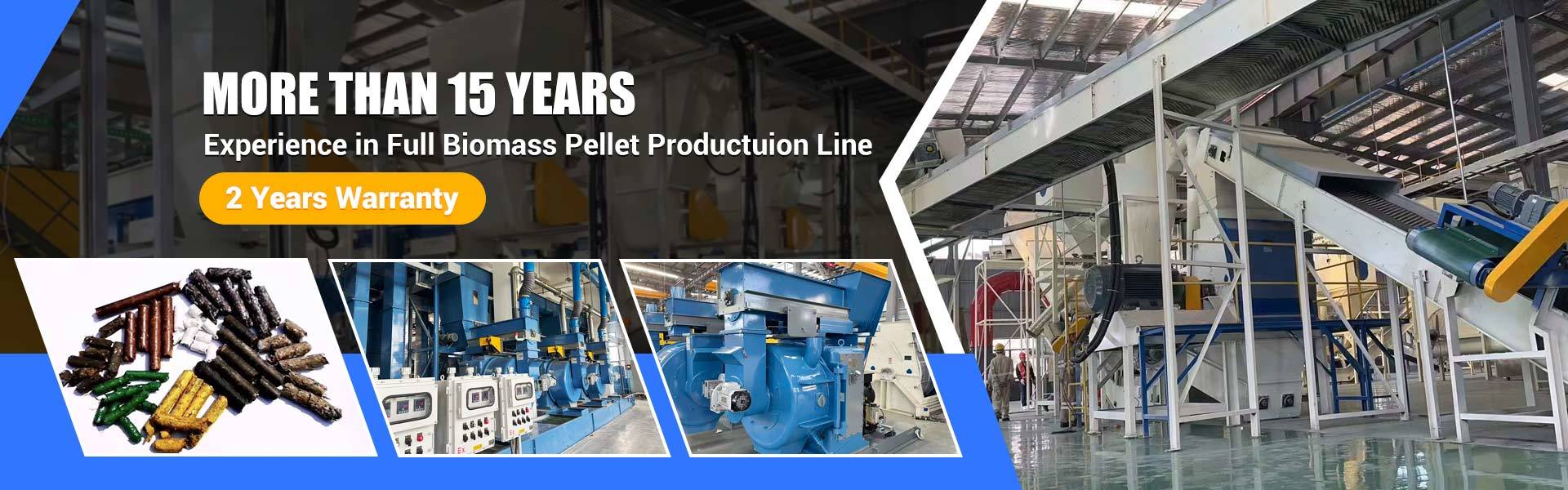
APEX BIOMASS, a professional biomass energy equipment manufacturer based in China, proudly introduces the Automatic Wood Pellet Production Line MZHL508 with an output of 1.5-2T/H. Designed for reliable and efficient pellet manufacturing, this automatic production line is CE and SGS certified, delivering consistent quality for medium-scale biomass fuel producers around the world.
Fully Customized to Your Conditions
This wood pellet production line is customized according to the client's raw material, usage and factory field. Whether your feedstock is sawdust, wood shavings, wood chips, straw or other biomass materials, and whether your site is a compact workshop or a spacious plant, the line configuration is tailored to match your specific production needs and maximize space efficiency.
Automatic Operation for Stable Production
Operating in automatic mode, the production line minimizes manual intervention, ensures consistent pellet quality and greatly reduces labor costs. The intelligent control system keeps every stage of the production process running smoothly and reliably.
Core Specifications
Pellet Mill
MZHL508
Output
1.5-2T/H
Ring Die
508mm, Alloy Steel or SS Steel
Pellet Size
6mm, 8mm, 8.5mm-12mm
Power
Standard 380V, 50Hz
Operating Model
Automatic
Certification
CE, SGS
High-Quality Ring Die Options
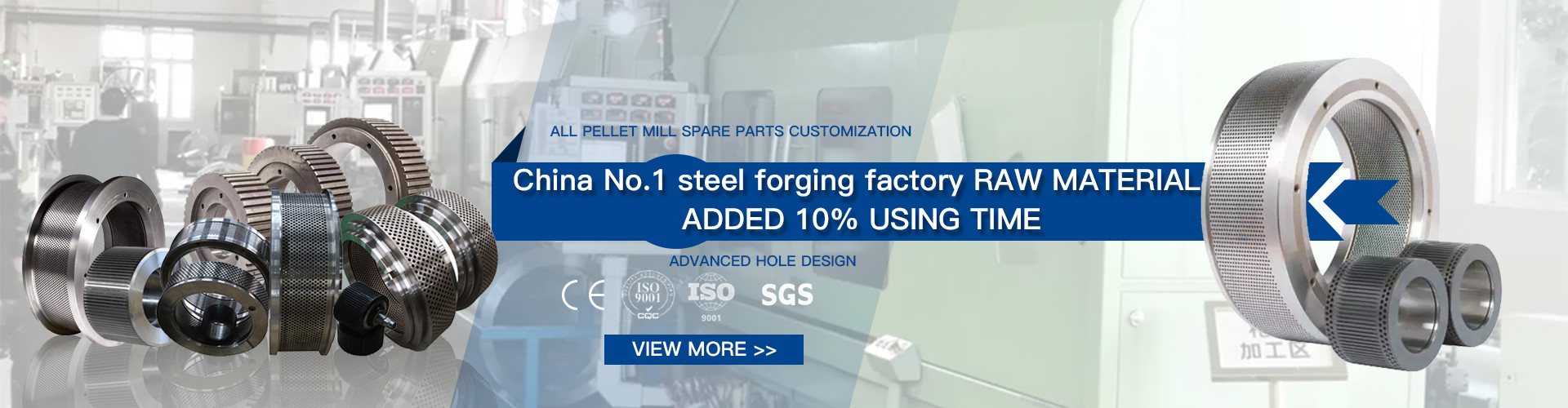
The MZHL508 pellet mill is equipped with a 508mm ring die available in alloy steel or stainless steel, providing excellent wear resistance and long service life under continuous production. The line can produce pellets with diameters of 6mm, 8mm, 8.5mm to 12mm to meet different application requirements.
Key Features
Automatic operation for stable output and low labor cost
1.5-2T/H capacity, ideal for medium-scale pellet plants
508mm ring die in alloy steel or SS steel for durability
Flexible pellet sizes: 6mm, 8mm, 8.5mm-12mm
Line customized by raw material, usage and factory field
CE and SGS certified, reliable quality assurance
Applications
The pellets produced by the MZHL508 line are widely used as solid fuel for industrial boilers, power plants, home fireplaces and commercial heating projects, as well as for animal bedding and other biomass applications.
About APEX BIOMASS
APEX BIOMASS specializes in the design and manufacture of biomass pellet machines and complete pellet production lines. With rich industry experience and customers across global markets, we are committed to delivering high-quality equipment, customized solutions and professional after-sales service. For more information about the Automatic Wood Pellet Production Line MZHL508 or other biomass solutions, please contact our sales team today.
View More
APEX BIOMASS Launches 15 Ton/h Wood Pellet Production Line with 2 Rollers Pellet Plant
2026-08-28
.gtr-container-f7e2d9 {
font-family: Verdana, Helvetica, "Times New Roman", Arial, sans-serif;
color: #333;
line-height: 1.6;
padding: 15px;
box-sizing: border-box;
}
.gtr-container-f7e2d9 h2 {
font-size: 18px;
font-weight: bold;
color: #02022A;
margin-top: 25px;
margin-bottom: 15px;
text-align: left;
}
.gtr-container-f7e2d9 h3 {
font-size: 16px;
font-weight: bold;
color: #02022A;
margin-top: 20px;
margin-bottom: 10px;
text-align: left;
}
.gtr-container-f7e2d9 p {
font-size: 14px;
margin-bottom: 10px;
text-align: left !important;
}
.gtr-container-f7e2d9 ul {
list-style: none !important;
padding-left: 20px !important;
margin-bottom: 10px;
}
.gtr-container-f7e2d9 ul li {
font-size: 14px;
position: relative !important;
padding-left: 15px !important;
margin-bottom: 5px;
text-align: left !important;
list-style: none !important;
}
.gtr-container-f7e2d9 ul li::before {
content: "•" !important;
color: #02022A !important;
position: absolute !important;
left: 0 !important;
font-size: 14px !important;
line-height: 1.6 !important;
}
.gtr-container-f7e2d9 .gtr-table-wrapper {
width: 100%;
overflow-x: auto;
margin-top: 15px;
margin-bottom: 15px;
border: 1px solid #e0e0e0;
border-radius: 4px;
}
.gtr-container-f7e2d9 table {
width: 100% !important;
border-collapse: collapse !important;
border-spacing: 0 !important;
min-width: 600px;
font-size: 14px !important;
line-height: 1.6 !important;
border: none !important;
}
.gtr-container-f7e2d9 table th,
.gtr-container-f7e2d9 table td {
padding: 10px 15px !important;
border: 1px solid #e0e0e0 !important;
text-align: left !important;
vertical-align: top !important;
}
.gtr-container-f7e2d9 table th {
background-color: #f0f4f8 !important;
color: #02022A !important;
font-weight: bold !important;
}
.gtr-container-f7e2d9 table tr:nth-child(even) {
background-color: #f9f9f9 !important;
}
.gtr-container-f7e2d9 table tr:hover {
background-color: #eef4f8 !important;
}
@media (min-width: 768px) {
.gtr-container-f7e2d9 {
padding: 20px;
}
.gtr-container-f7e2d9 h2 {
font-size: 20px;
}
.gtr-container-f7e2d9 h3 {
font-size: 18px;
}
.gtr-container-f7e2d9 .gtr-table-wrapper {
overflow-x: hidden;
}
.gtr-container-f7e2d9 table {
min-width: auto;
}
}
15 Ton/h Wood Pellet Production Line Manufacture 2 Rollers Wood Pellet Plant
APEX BIOMASS, a leading biomass equipment manufacturer in China, is proud to introduce the 15 Ton/h Wood Pellet Production Line (Model DRZL650), a complete 2-rollers wood pellet plant engineered for large-scale biomass fuel production. With CE and SGS certification, this turnkey production line delivers high output, stable performance and long service life for commercial pellet manufacturers worldwide.
Complete Turnkey Production Line
The 15 Ton/h wood pellet production line covers the entire pellet manufacturing process, including a wood chipper, hammer mill, wood pellet machine and packing system. From raw wood materials to finished, bagged pellets, every stage is integrated into one efficient, continuous flow, minimizing labor and maximizing productivity.
Wide Raw Material Adaptability
The line is designed to process a wide range of wood raw materials such as wood logs, wood pallets, sawdust, wood shavings and rice husk, etc. This flexibility allows producers to source the most economical local materials and keep production costs low.
Core Equipment
Pellet Mill: DR800, with 2 rollers for high-efficiency pressing
Wood Chipper: reduces logs and large wood waste into small chips
Hammer Mill: grinds raw material into uniform powder
Packing System: automatic weighing and bagging of finished pellets
Technical Specifications
Model Number
DRZL650
Pellet Mill
DR800
Output
15 Ton/h
Raw Material
Wood Log, Wood Pallet, Sawdust, Wood Shaving, Rice Husk, etc.
Power
380V, 60Hz
Working Method
Semi-Auto Control or Full-Auto Control
Certification
CE, SGS
After-Sale Service
Engineer Dispatch to Working Site for Installation Guidance
Warranty
2 Years for Reducer Box, 1 Year for Other Parts (Excluding Spare Parts)
Automation and Control
The production line supports both semi-auto and full-auto control modes, allowing customers to choose the level of automation that best fits their labor resources and budget. Full-auto control further improves consistency and reduces operating costs.
Reliable After-Sales Support
APEX BIOMASS provides comprehensive after-sales service. We will dispatch engineers to the working site to guide installation and commissioning, ensuring the line is up and running smoothly. The wood pellet machine reducer box comes with a 2-year warranty, while other parts are covered for one year (excluding spare parts), giving customers complete peace of mind.
Applications
The high-quality pellets produced by this line can be widely used as solid fuel for industrial boilers, power plants, home heating and commercial energy projects, as well as for animal bedding applications.
About APEX BIOMASS
APEX BIOMASS specializes in the design, manufacture and installation of biomass pellet machines and complete wood pellet production lines. With years of industry experience and exports to markets worldwide, we are committed to providing reliable equipment and professional service. For more information about the 15 Ton/h wood pellet production line or customized biomass solutions, please contact our sales team today.
View More
APEX BIOMASS Launches 0.8-1t/h Small Scale Wood Pellet Production Line for Eco-Friendly Fuel
2026-08-28
.gtr-container-xyz123 {
font-family: Verdana, Helvetica, "Times New Roman", Arial, sans-serif;
color: #333;
line-height: 1.6;
padding: 15px;
box-sizing: border-box;
}
.gtr-container-xyz123 h2 {
font-size: 18px;
font-weight: bold;
color: #02022A;
margin-top: 25px;
margin-bottom: 15px;
padding-bottom: 8px;
border-bottom: 2px solid #02022A;
}
.gtr-container-xyz123 h3 {
font-size: 16px;
font-weight: bold;
color: #02022A;
margin-top: 20px;
margin-bottom: 10px;
}
.gtr-container-xyz123 p {
font-size: 14px;
margin-bottom: 1em;
text-align: left !important;
}
.gtr-container-xyz123 .gtr-highlight {
color: #02022A;
font-weight: bold;
}
.gtr-container-xyz123 .gtr-table-wrapper {
overflow-x: auto;
margin-top: 20px;
margin-bottom: 20px;
}
.gtr-container-xyz123 table {
width: 100%;
border-collapse: collapse !important;
border-spacing: 0 !important;
margin: 0 !important;
font-size: 14px;
min-width: 600px;
}
.gtr-container-xyz123 table th,
.gtr-container-xyz123 table td {
border: 1px solid #D0D0D0 !important;
padding: 10px !important;
text-align: left !important;
vertical-align: top !important;
word-break: normal;
overflow-wrap: normal;
}
.gtr-container-xyz123 table th {
background-color: #E0E0F0;
font-weight: bold;
color: #02022A;
}
.gtr-container-xyz123 table tr:nth-child(even) {
background-color: #F8F8F8;
}
.gtr-container-xyz123 ul {
list-style: none !important;
padding-left: 20px !important;
margin-top: 10px;
margin-bottom: 10px;
}
.gtr-container-xyz123 ul li {
position: relative !important;
padding-left: 18px !important;
margin-bottom: 8px !important;
font-size: 14px;
list-style: none !important;
}
.gtr-container-xyz123 ul li::before {
content: "•" !important;
color: #02022A !important;
position: absolute !important;
left: 0 !important;
font-size: 1.2em !important;
line-height: 1 !important;
}
@media (min-width: 768px) {
.gtr-container-xyz123 {
padding: 25px 50px;
}
.gtr-container-xyz123 h2 {
font-size: 22px;
margin-top: 30px;
margin-bottom: 20px;
}
.gtr-container-xyz123 h3 {
font-size: 18px;
margin-top: 25px;
margin-bottom: 15px;
}
.gtr-container-xyz123 table {
min-width: auto;
}
}
Small Scale Wood Pellet Production Line 0.8-1t/h
APEX BIOMASS, a professional biomass energy equipment manufacturer based in China, proudly announces the launch of its Small Scale Wood Pellet Production Line with a capacity of 0.8-1t/h. This compact, efficient and cost-effective production line is specially designed to convert waste materials into solid biomass fuel, making it an ideal choice for small and medium-sized pellet plants, farms, heating projects and fuel suppliers.
Turn Waste into Valuable Solid Fuel
A wood pellet production line is the process of making waste materials into solid fuel, and the pellets produced are mainly used for burning purposes. Wood pellets can be made from virtually any type of agro-forestry waste, including groundnut shell, sugarcane bio-gases, caster shells and stalk, saw dust, coffee husk, paddy straw, sunflower stalk, cotton stalks, tobacco waste, mustard stalk, jute waste, bamboo dust, tea waste, wheat straw, palm husk, soybeans husk, coir pitch barks and straws, rice husks, forestry wastes, wood chips and many other agro wastes. This gives investors great flexibility in sourcing low-cost raw materials.
Wide Raw Material Adaptability
The production line accepts forestry waste, sawdust, branches and bark, as well as farmland waste such as straw and fruit shells, turning them into biomass pellets for burning or other uses like horse bedding and cat litter. For stable and uniform pellet quality, the raw material size should be 3-5mm, and the moisture content should be kept at 10-15%.
Main Equipment and Technical Specifications
Product Name
Small Scale Wood Pellet Production Line 0.8-1t/h
Brand
APEX BIOMASS
Place of Origin
China
Raw Material
Wood Raw Material
Capacity
0.8-1t/h
Main Equipment
Wood Pellet Press
Ring Die Size
420mm
Roller Shell
2 Pcs
Model
350
Power
75kW, Generally 380V 50Hz, Customizable
Weight
2.8 tons
Certification
CE, SGS
Key Features
Compact design with a stable output of 0.8-1t/h, ideal for small-scale biomass fuel production.
420mm ring die with 2 roller shells ensures high pressing efficiency and long service life.
Premium 4Cr13 ring die material guarantees excellent wear resistance and durability.
75kW main motor with generally 380V 50Hz power supply, and customized voltage options available.
Simple operation and easy maintenance, suitable for operators with basic training.
Final Pellet Specifications
Pellet diameter: 6mm, 8mm, 10mm, 12mm
Pellet length: adjustable
Applications: home fireplace, power plant, horse bedding, cat litter
Quality Assurance
The production line is CE and SGS certified, meeting strict international quality and safety standards. APEX BIOMASS is committed to delivering reliable equipment, professional technical support and responsive after-sales service to customers worldwide.
About APEX BIOMASS
APEX BIOMASS specializes in the design and manufacture of biomass pellet machines and complete pellet production lines. With years of experience in the biomass energy industry, the company serves customers across global markets, helping them turn agricultural and forestry waste into profitable green energy. For more information about the Small Scale Wood Pellet Production Line 0.8-1t/h or other biomass solutions, please contact our sales team today.
View More
30 t/h Industrial Wood Chip Dryer Project: JIANGSU APEX Empowers Jiangxi Customer with Patented Technology
2026-07-01
30 t/h Industrial Wood Chip Dryer Project: JIANGSU APEX Empowers Jiangxi Customer with Patented Technology
Drying wood chips efficiently at a large scale is never just about purchasing a piece of machinery; it is a complex system engineering challenge that integrates thermal energy optimization, fluid dynamics, and precision manufacturing.
Recently, Jiangsu APEX BIOMASS Equipment Co., Ltd. successfully delivered and commissioned a 30 tons per hour (t/h) industrial wood chip rotary drum dryer project for a leading wood processing plant in Jiangxi, China. The system perfectly achieved the customer’s goal, reducing the moisture content of wood chips from 50% down to 12% while ensuring low energy consumption and high-quality output.
Key Technical Challenges & Topray’s Full-Scale Solutions
To meet the client's demanding requirements for high capacity and continuous stability, APEX broke away from the traditional "single-equipment" supply model. Instead, we provided a comprehensive, fully-engineered drying system tailored to the site's specifics:
1. Precision Thermal Matching with Reciprocating Biomass Furnace
The heart of any drying system lies in its heat source. APEX precision-matched the project with an advanced reciprocating biomass furnace. This furnace offers excellent fuel flexibility and delivers an exceptionally stable and continuous heat supply. By preventing temperature fluctuations, it ensures uniform drying quality and eliminates the risk of scorched material.
2. Patented Multi-Layer Anti-Turbulence Technology
The core of the production line features APEX proprietary patented multi-layer anti-turbulence rotary drum (Dimensions: 17 meters in length, 2.4 meters in diameter). The unique internal flighting and multi-layer structural design significantly maximize the contact surface between the wood chips and the hot air. This drastically boosts thermal efficiency and shortens the drying retention time.
3. Clog-Free Flow Design for Continuous Feeding
Handling 30 tons of material per hour requires flawless logistics within the machine. APEX implemented a digitized, streamlined process flow design that guarantees smooth, uniform feeding with zero clogging or jam-ups. The entire line achieves high-intensity, automated, and continuous operation.
4. Heavy-Duty Manufacturing for Maximum Lifespan
A drum measuring 17m × 2.4m demands extreme mechanical precision. Utilizing APEX state-of-the-art manufacturing facilities and rigorous quality control standards, we ensured perfect coaxial alignment and structural integrity. This guarantees steady drum rotation and a prolonged service life under heavy-duty, 24/7 operating conditions.
Project Performance Metrics
Production Capacity: Consistently delivers a stable throughput of 30 t/h.
Dehydration Efficiency: Moisture content dropped smoothly from 50% to 12%, with no burnt particles or wet pockets.
Energy Savings: Due to the precise thermal matching and our patented internal drum design, the energy consumption per ton of dried wood chips is significantly lower than the industry average.
Why Choose APEX BIOMASS EQUIPMENT
As a leading industrial drying solution provider, APEX delivers more than just steel and motors—we deliver optimized thermal energy systems and seamless process workflows. We are committed to driving green, efficient, and intelligent capacity upgrades for the global wood processing industry through proprietary innovation.
Looking for a custom industrial drying solution? Contact Jiangsu Topray Intelligent Equipment today!
CONTACT BY WA/WECHANT/LINE :+85-18562307530
View More
APEX Launches 100,000-Ton Cassava Pelletizing Project in Cambodia, Breaking Industry Technical Barriers
2026-06-30
APEX Launches 100,000-Ton Cassava Pelletizing Project in Cambodia, Breaking Industry Technical Barriers
PHNOM PENH, Cambodia — APEX has officially launched a new 100,000-ton annual capacity cassava pelletizing project in Cambodia. This project marks a significant breakthrough in the Southeast Asian green energy and premium feed markets by solving a long-standing industry challenge: pelletizing ultra-fine, low-moisture cassava powder without any additives.
The Breakthrough: Pure Physical Pelletization for 100-Mesh Fine Powder
The client's raw material presented a severe technical challenge: a highly volatile, 100-mesh ultra-fine powder with an exceptionally low moisture content of only 10%. Lacking specialized expertise, many equipment manufacturers typically advise adding chemical binders to force bonding, which degrades the starch purity and lowers the market value for alcohol and high-end feed industries.
Dingrui solved this by deploying its custom-engineered, high-intensity feeding and compression system. In a recent live material trial, Dingrui successfully achieved 100% additive-free physical pelletization in a single run. The resulting cassava pellets boast high density, smooth surfaces, and excellent durability, fully preserving the raw material's natural components and export standards.
Proven Track Record: 5 Years of Success in Thailand
APEX technical solution is backed by years of large-scale industrial validation. In 2020, APEX commissioned a 15 t/h (tons per hour) cassava pelletizing line in Thailand. That system has operated continuously and stably for over five years under high-intensity conditions, proving the superior wear resistance and low maintenance costs of Dingrui’s core machinery.
With firsthand operational data from the Thailand project, Dingrui provides the Cambodian project with a complete, low-risk, and high-ROI Engineering Procurement (EP) solution—spanning material analysis, tailored conditioning, and post-launch optimization.
As the 100,000-ton Cambodian project rapidly progresses, Dingrui continues to empower global investors to unlock the maximum value of Southeast Asia's rich cassava resources.
About APEX is a premier manufacturer of industrial biomass and feed pelletizing equipment, specializing in heavy-duty engineering solutions for unconventional and challenging raw materials worldwide.
Pls contact by : WA/WECHAT/LINE :+86 -18562307530
View More